

Knee osteoarthritis is a common cause of knee pain, stiffness and reduced mobility, particularly as we get older or after previous injury. If knee pain is limiting your walking, exercise, work or sleep, ultrasound-guided knee injections may help reduce pain and inflammation and allow you to move more comfortably.
At our Eastleigh clinic, we offer a range of knee injections for osteoarthritis and joint pain, tailored to your specific needs. Each injection type works differently to reduce pain, improve function, and support knee health. Options include corticosteroid injections to reduce inflammation during flare-ups, hyaluronic acid injections to improve joint lubrication, and prolotherapy injections to stimulate the body’s natural healing and strengthen soft tissues. Our specialist team will guide you on the most appropriate treatment based on your symptoms, scans, and lifestyle, helping you stay active and confident.
Physiotherapy in Osteoarthritis in Southampton | Physio Soton
Arthrosamid with Physio Soton – Physio-Soton
Knee osteoarthritis is a degenerative joint condition where the cartilage that cushions the knee gradually wears down. This can lead to:
Pain during walking, stairs or standing
Stiffness, especially in the morning or after rest
Swelling or a feeling of pressure in the knee
Reduced confidence and activity levels
Osteoarthritis can affect one or both knees and may progress at different rates depending on activity levels, body weight, previous injuries and genetics.
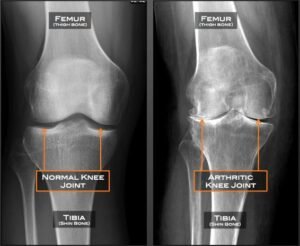
Diagnosis is based on a combination of:
A detailed clinical assessment
Your symptoms and functional limitations
Diagnostic musculoskeletal ultrasound, where appropriate
X-rays or previous imaging, if available
Ultrasound allows us to assess:
Joint inflammation (synovitis)
Effusion (excess joint fluid)
Soft tissue structures around the knee
This helps ensure that injections are appropriate, targeted and safe.
Knee injections may be helpful if:
Pain is not improving with exercise and physiotherapy alone
Inflammation is limiting your ability to stay active
You need pain relief to engage more effectively in rehabilitation
You are not ready for, or wish to delay, surgical options
Injections are not a cure for osteoarthritis, but they can play an important role in symptom control and function when used appropriately.
At our Eastleigh clinic, we provide a range of knee injections and complementary treatments for osteoarthritis and joint pain, personalised to each patient’s needs. Each option is designed to reduce pain, improve mobility, and support long-term knee health, helping you stay active in daily life. Patients from Southampton, Winchester, Romsey, and surrounding areas benefit from our specialist, physiotherapy-led approach.
Reduce inflammation inside the knee joint
Often provide relief for weeks to months
Particularly helpful during flare-ups or acute pain episodes
Improve joint lubrication and cushioning
May help reduce stiffness and enhance movement
Suitable for selected patients with mild to moderate osteoarthritis
Stimulate the body’s natural healing response to strengthen ligaments and soft tissues
Can improve joint stability and reduce pain over time
Often considered for patients with mild to moderate osteoarthritis or ligament laxity
In addition to injections, our clinic offers a comprehensive range of supportive therapies to manage knee osteoarthritis and improve function, including:
Bracing to improve knee stability and support daily activities
Manual therapy and soft tissue techniques (including massage) to reduce stiffness and improve mobility
Ultrasound therapy to promote tissue healing and reduce discomfort
Infrared therapy to enhance circulation, relieve pain, and support joint recovery
Personalised physiotherapy programs and exercise therapy
Ultrasound assessment and education on joint protection strategies
All treatments are delivered with a focus on optimising function, reducing pain, and supporting long-term knee health. Injections are often performed under ultrasound guidance to maximise accuracy, comfort, and effectiveness.
Ultrasound guidance allows the injection to be placed precisely within the knee joint, rather than relying on anatomical landmarks alone.
Benefits include:
Greater accuracy
Improved effectiveness
Reduced discomfort
Lower risk of complications
Ultrasound guidance is considered best practice for many joint injections and reflects the specialist nature of our service.
Full clinical assessment and discussion of options
Diagnostic ultrasound of the knee (if required)
Ultrasound-guided injection (if appropriate)
Clear aftercare and activity advice
Appointments are unhurried, allowing time for questions and shared decision-making.
After a knee injection you may be advised to:
Rest the knee for 24–48 hours
Gradually return to normal activity
Continue or restart a tailored physiotherapy programme
Many patients benefit most when injections are combined with strengthening, weight management and activity modification, which can be supported through Physio Soton.
Injections may not be recommended if:
Pain is not inflammatory in nature
There is advanced joint collapse where benefit is unlikely
Infection or certain medical conditions are present
We will always discuss alternatives and ensure treatment is appropriate.
Our clinic is based in Eastleigh, conveniently located for patients from:
Southampton
Winchester
Romsey
Chandlers Ford and surrounding areas
The knee injection service is delivered as part of the Physio Soton clinic, allowing seamless referral between injection therapy and rehabilitation where needed.
If knee osteoarthritis is affecting your quality of life, a specialist assessment can help you understand your options and decide whether an ultrasound-guided injection is right for you.
The duration of benefit varies between individuals. Corticosteroid injections may provide pain relief for several weeks to a few months, particularly during inflammatory flare-ups. Hyaluronic acid injections may provide longer-lasting improvement in stiffness and movement for selected patients. Response depends on the severity of osteoarthritis, activity levels and overall joint health.
Most patients find knee injections well tolerated. Using ultrasound guidance allows accurate placement of the injection, which often reduces discomfort. A brief sensation of pressure may be felt, but the procedure is usually quick and manageable.
Ultrasound guidance significantly improves the accuracy and safety of knee injections. It allows real-time visualisation of the joint, helping ensure the medication is delivered to the correct area. This is particularly important in knees with swelling, altered anatomy or more advanced osteoarthritis.
No. Knee injections do not cure osteoarthritis or reverse cartilage changes. Their role is to reduce pain and inflammation, improve movement and help you stay active. They are most effective when used as part of a broader management plan, including exercise and lifestyle strategies.
Most patients can walk immediately after the injection, although we usually advise taking it easy for 24–48 hours. Normal daily activities can then be resumed gradually. Specific advice will be given based on your individual presentation.
Knee injections are generally safe when performed by an experienced clinician. Possible side effects include:
Temporary increase in pain for 24–48 hours
Localised swelling or bruising
Rare risk of infection
All risks will be discussed fully during your appointment, and ultrasound guidance helps minimise complications.
There is a limit to how frequently certain injections, particularly corticosteroids, should be used. We will discuss appropriate timing and alternatives to ensure treatment remains safe and evidence-based. Repeated injections without addressing strength and movement are not recommended.
Not always. Many cases of knee osteoarthritis can be assessed clinically and with diagnostic ultrasound. If previous imaging is available, we will review it. MRI is rarely required solely to guide a knee injection.
In some cases, injections can help manage symptoms and delay the need for surgery, particularly in early to moderate osteoarthritis. However, they are not a substitute for surgery where joint damage is severe. We will always give honest guidance based on your situation.
Yes. Injections are most effective when combined with strengthening and movement-based rehabilitation. As this service is delivered through Physio Soton, we can ensure your injection and physiotherapy work together as part of a coordinated plan.
The clinic is based in Eastleigh, close to Southampton, and easily accessible for patients from Winchester, Romsey and surrounding areas. Appointments are provided as part of the Physio Soton clinic.
If you’d like to learn more about knee osteoarthritis, pain management, and treatment options, the following trusted resources provide clear, evidence-based information:
NHS – Osteoarthritis of the Knee
Clear overview of symptoms, diagnosis, and treatment options.
https://www.nhs.uk/conditions/osteoarthritis/
Versus Arthritis – Knee Osteoarthritis
Practical advice on managing symptoms, exercise, and lifestyle.
https://www.versusarthritis.org/about-arthritis/conditions/osteoarthritis-of-the-knee/
Chartered Society of Physiotherapy (CSP)
Evidence-based guidance on physiotherapy and joint health.
https://www.csp.org.uk/conditions/arthritis
NICE Guidelines – Osteoarthritis
National guidance on best practice for OA management in the UK.
https://www.nice.org.uk/guidance/cg177
 Marek Czeladzki is a Chartered Physiotherapist, Musculoskeletal (MSK) Specialist, and Clinical Sonographer with extensive experience in diagnosing and treating knee osteoarthritis and other joint conditions. He provides ultrasound-guided joint injections and advanced musculoskeletal assessments at the Physio Soton clinic in Eastleigh, helping patients from Southampton, Winchester, and Romsey manage pain and improve function without unnecessary surgery. Marek’s approach is evidence-based, patient-focused, and centred on restoring confidence in movement through accurate diagnosis, personalised treatment plans, and clear, honest communication.