
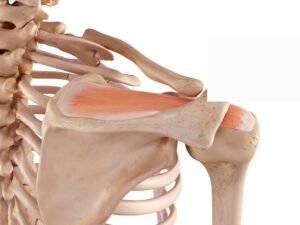
The rotator cuff is a group of four muscles and their tendons that surround the shoulder joint, providing stability and allowing a wide range of motion. Injuries to the rotator cuff are common, especially in athletes, manual workers, and older adults. Understanding treatment options, including injections, can help patients manage pain, improve function, and support recovery.
Rotator cuff injuries are one of the most common causes of shoulder pain, affecting people of all ages, from athletes to older adults. Damage to the rotator cuff tendons or muscles can lead to shoulder impingement, shoulder bursitis, weakness, and limited range of motion. Early diagnosis and treatment are essential to relieve pain, restore shoulder function, and prevent chronic problems. Understanding the causes, symptoms, and treatment options—including physiotherapy and injections—can help patients recover more effectively and maintain a healthy, active lifestyle.
A rotator cuff injury occurs when one or more of the tendons or muscles are torn, inflamed, or strained. Common causes include:
Repetitive overhead movements (e.g., sports like tennis or swimming)
Aging and natural wear and tear
Sudden trauma, like falling on an outstretched arm
Symptoms often include:
Shoulder pain, especially at night
Weakness in lifting or rotating the arm
Limited range of motion
Clicking or popping sensations
Video courtesy of Mayo Clinic – for patient education purposes.
Treatment usually starts conservatively, focusing on pain management and physiotherapy:
Targeted exercises to strengthen shoulder muscles
Stretching to improve flexibility
Heat or ice therapy to reduce inflammation
When conservative measures are not enough, injections may be considered to help relieve pain and reduce inflammation.
Injections can be a useful adjunct to physiotherapy for rotator cuff injuries. They are typically administered by a trained clinician and may include:
Reduce inflammation in the tendon or surrounding tissues
Provide short-term pain relief
Allow patients to engage more comfortably in physiotherapy
Sometimes used to lubricate the shoulder joint
Can improve mobility and reduce stiffness
Aims to stimulate healing in tendon tissue
Evidence is emerging, but some patients find benefit alongside physiotherapy
Important Note: Injections are not a standalone cure for rotator cuff injuries. They are most effective when combined with a structured physiotherapy program to strengthen the rotator cuff and restore shoulder function.
Reduces pain enough to participate in exercises
Improves range of motion faster
Supports long-term recovery by addressing underlying muscle weakness
Minimizes the risk of re-injury
Patients who may benefit include those:
Experiencing persistent pain despite rest and physiotherapy
With inflammation confirmed by imaging
Struggling to participate in exercises due to pain
Always consult a qualified clinician to discuss the risks, benefits, and best injection type for your shoulder condition.
While physiotherapy and injections are important, daily care can help:
Avoid repetitive overhead lifting or heavy pushing
Maintain good posture
Perform gentle shoulder stretches and strengthening exercises as advised by a physiotherapist
If you are struggling with rotator cuff pain, our experienced physiotherapists in Southampton, Romsey, Winchester, and Eastleigh can:
Assess your shoulder
Advise if injections may help
Design a personalised physiotherapy program
Book your physiotherapy consultation today and take the first step towards pain-free movement.
A rotator cuff injection is a procedure where a medication, such as a corticosteroid or hyaluronic acid, is injected into the shoulder to reduce pain and inflammation. It is often used alongside physiotherapy to improve mobility and support recovery.
Injections are usually recommended when:
Pain persists despite physiotherapy and rest
There is inflammation in the rotator cuff tendons
Pain limits daily activities or exercise
Your physiotherapist or clinician will assess whether an injection is appropriate for your condition.
No, injections do not cure the injury. They mainly reduce pain and inflammation, allowing patients to participate more comfortably in physiotherapy and rehabilitation exercises, which are essential for long-term recovery.
Common injections include:
Corticosteroid injections – reduce inflammation and pain
Hyaluronic acid injections – lubricate the joint to improve movement
Platelet-Rich Plasma (PRP) injections – may promote tendon healing
Your clinician will recommend the most suitable type based on your condition.
Yes, injections are generally safe when performed by a trained professional. Side effects are rare but may include temporary soreness, mild swelling, or bruising at the injection site. Your clinician will discuss all risks before the procedure.
Many patients notice improvement within a few days to two weeks, depending on the type of injection and severity of the injury. Injections are most effective when combined with a structured physiotherapy program.
Yes! In fact, injections are designed to make physiotherapy more effective by reducing pain and improving mobility. Your physiotherapist will create a safe exercise plan tailored to your recovery.
The duration varies based on the type of injection and individual response. Pain relief can last from several weeks to a few months, but strengthening and rehabilitation exercises are needed for long-term improvement.
Injections may not be suitable for people with:
Severe infection
Certain allergies to injection medications
Uncontrolled diabetes or bleeding disorders (requires clinician assessment)
Always discuss your medical history with your physiotherapist or doctor before treatment.
If you are experiencing rotator cuff pain, our expert physiotherapists can assess your shoulder, advise if injections may help, and create a personalized rehabilitation plan.
Book your consultation online at Physio Soton or call us directly to schedule an appointment.
🔗 Mayo Clinic – Rotator Cuff Injury (Diagnosis & Treatment) – trustworthy overview of symptoms, diagnosis including scans, and options including injections and surgery.
https://www.mayoclinic.org/diseases-conditions/rotator-cuff-injury/diagnosis-treatment/drc-20350231
🔗 Mayo Clinic – Rotator Cuff Injury (Symptoms & Causes) – patient-friendly summary of how it happens and what it feels like.
https://www.mayoclinic.org/diseases-conditions/rotator-cuff-injury/symptoms-causes/syc-20350225
🔗 MedlinePlus – Rotator Cuff Injuries – NIH-linked page with basics, diagnosis, tests and treatments including ultrasound/MRI and steroid injections.
https://medlineplus.gov/rotatorcuffinjuries.html
🔗 MedlinePlus – Rotator Cuff Self-Care – step-by-step guidance on exercises, icing, activity modifications and physical therapy.
https://medlineplus.gov/ency/patientinstructions/000358.htm
🔗 Cleveland Clinic – Rotator Cuff Overview – medically reviewed explanation of rotator cuff anatomy, injury, tests and treatments (scroll to “Rotator Cuff”).
https://my.clevelandclinic.org/health/body/rotator-cuff
🔗 Johns Hopkins Medicine – Rotator Cuff Injury – clear clinical overview of symptoms, diagnosis (including imaging) and treatments such as injections.
https://www.hopkinsmedicine.org/health/conditions-and-diseases/rotator-cuff-injury
🔗 Royal National Orthopaedic Hospital (RNOH) – Rotator Cuff Repair Guide – NHS-based patient guide on rotator cuff surgery and recovery.
https://www.rnoh.nhs.uk/patients-and-visitors/patient-information-guides/rotator-cuff-repair-patients-guide
 Marek Czeladzki is a highly experienced physiotherapist, musculoskeletal sonographer, and injection specialist based in Hampshire. He uses diagnostic ultrasound to assess joint and soft tissue conditions and provides ultrasound-guided injections to support pain relief and recovery. Marek works closely with patients and the wider clinical team to deliver safe, accurate, and evidence-based care.