
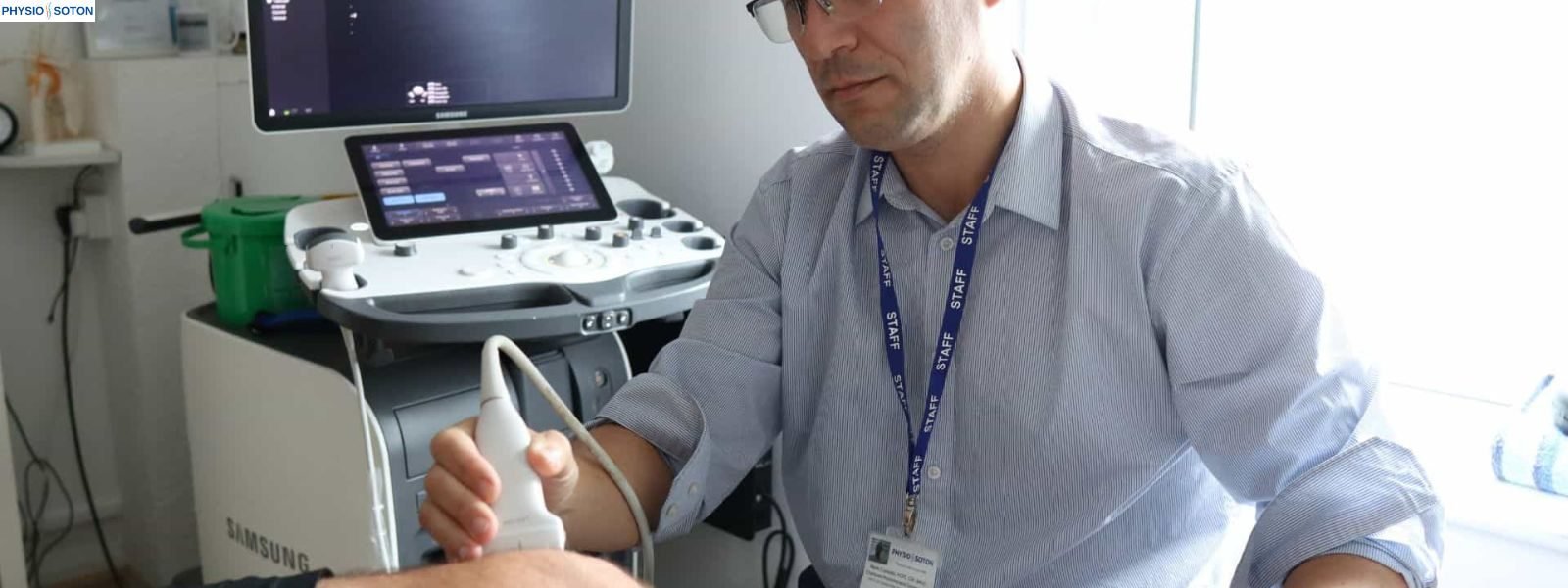
Knee pain from a meniscal tear can limit walking, sport, and daily life. At our private Eastleigh clinic, based within Physio Soton, we provide complete meniscus tear care under one roof — including expert assessment, ultrasound-guided knee injections, in-clinic scanning, and personalised physiotherapy when needed. We regularly see patients from Eastleigh, Southampton, Chandlers Ford, Winchester, and surrounding areas.
Book your appointment today and get clarity on your knee pain.
 Book a Private Knee Assessment in Eastleigh
You may have a meniscal injury if you experience:
Pain on the inside or outside of the knee
Swelling or stiffness, especially after activity
Clicking, catching, or locking sensations
Pain when squatting, twisting, or climbing stairs
A feeling that the knee may give way
If these symptoms sound familiar, an accurate diagnosis is the first step to recovery.
Book an Assessment
The meniscus is a shock-absorbing cartilage that cushions and stabilises your knee. Tears can occur suddenly during sports or gradually due to wear and tear. Not all tears behave the same — which is why proper assessment matters.
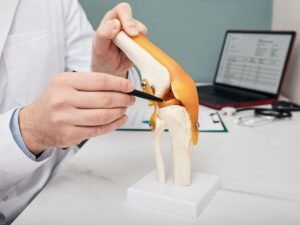
Meniscal tears vary in location and severity:
Traumatic tears – Often caused by sports or sudden twists; usually occur in younger, active patients.
Degenerative tears – Develop gradually due to wear and tear, more common in older adults.
Small vs Large tears – Small tears may heal naturally, while larger tears often need professional intervention.
Understanding the type of tear helps guide treatment decisions.
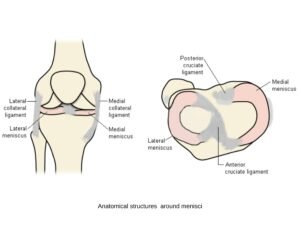
Locking or catching – indicates a piece of meniscus may be interfering with joint movement.
Swelling – inflammation response, may worsen with activity.
Pain on twisting/squatting – typical sign of a meniscus injury.
Giving way – weakness in stability; indicates need for strengthening and possibly an injection.
Early assessment ensures a tailored treatment plan and faster recovery.

“Not all meniscus tears need surgery. Many people recover well with the right assessment, physiotherapy, and, in some cases, an ultrasound-guided injection. The key is understanding what type of tear you have, what is driving your pain, and choosing treatment that supports healing rather than rushing to invasive options.”
Marek Czeladzki – Chartered Physiotherapist, MSK Sonographer
Meniscus tears vary widely between individuals. Some cause sharp pain and swelling after a twist or injury, while others develop gradually and flare up with certain movements. Symptoms alone don’t always tell the full story — which is why a proper clinical assessment is so important.
At our clinic, we focus on identifying what is actually limiting your knee, then tailoring treatment to help you move more comfortably, regain confidence, and return to the activities that matter to you.
Book an Expert Knee Assessment
Meniscus tear symptoms often overlap with ligament, cartilage, or arthritic knee problems. Treating the wrong condition can delay recovery.
We combine a detailed clinical examination with in-clinic ultrasound scanning where appropriate, allowing us to:
Identify the source of your pain
Rule out other knee injuries
Create a precise treatment plan from day one
Book a Knee Scan & Assessment
Your appointment begins with a thorough evaluation of your knee, movement, and symptoms. Ultrasound imaging may be used to support diagnosis and guide treatment.
Most meniscus tears respond very well to structured rehabilitation. Your physiotherapy programme may include:
Pain and swelling reduction strategies
Strengthening of the knee, hip, and core
Improving movement control and stability
Guidance on return to sport or daily activities
If pain or inflammation limits progress, injections may be used to support recovery. These are:
Performed under ultrasound guidance for precision
Used only when clinically appropriate
Designed to reduce pain and enable effective rehab
Injections are often helpful when symptoms persist despite physiotherapy or when pain is limiting daily activities and exercise.
Book a Knee Injection & Meniscus Tear Assessment
Yes — many meniscus tears can be managed successfully without surgery. The outcome depends on the type of tear, your activity level, and how early treatment begins. Our goal is to help you recover fully while avoiding unnecessary procedures.
Strengthen surrounding muscles – quads, hamstrings, and hips improve knee stability.
Maintain flexibility – gentle stretching prevents stiffness.
Avoid high-risk movements initially – twisting or pivoting on a loaded knee should be limited.
Gradual return to activity – following physiotherapy guidance reduces re-injury risk.
Friendly, specialist physiotherapy-led knee care at the Physio Soton clinic
Private appointments with no GP referral needed
In-clinic ultrasound scanning
Ultrasound-guided injections
Evidence-based treatment plans
Clear explanations and honest advice
Longer, unrushed appointments
Detailed discussion of your knee symptoms
Physical examination and scan if required
Clear explanation of findings
Personalised treatment plan
Immediate treatment where appropriate
Book Your Knee Assessment Today
Do I need an MRI?
Not always. Many meniscus tears can be assessed clinically and with ultrasound. MRI is only recommended if necessary.
Are injections painful?
Most patients tolerate them very well. Ultrasound guidance improves accuracy and comfort.
How long does recovery take?
Recovery varies but many patients improve significantly within weeks with the right treatment.
Can I keep exercising?
Often yes — with modifications. We guide you safely.
Will I need surgery?
Most patients do not, especially when treated early.
For patients interested in learning more about meniscal tears and treatment options, here are some reputable UK-based resources:
NHS: Meniscus knee injury
https://www.nhs.uk/conditions/meniscus-tear/
Chartered Society of Physiotherapy – Knee Injuries
https://www.csp.org.uk/conditions/knee-pain
Best Practice (BMJ) — Meniscal Tear: Symptoms, Diagnosis & Treatment
https://bestpractice.bmj.com/topics/en-gb/826
These resources help you understand your condition and the reasoning behind treatment options.
Don’t let knee pain control your life. If you’re looking for private meniscus tear treatment in Eastleigh or near Southampton, our clinic offers expert care in a friendly, welcoming environment. Patients are seen in the Physio Soton clinic for all assessments and treatments.
Book an Appointment
Call the Clinic
Marek Czeladzki is a Chartered Physiotherapist, Musculoskeletal (MSK) Specialist, and Clinical Sonographer with extensive experience in diagnosing and treating knee osteoarthritis and other joint conditions. He provides ultrasound-guided joint injections and advanced musculoskeletal assessments at the Physio Soton clinic in Eastleigh, helping patients from Southampton, Winchester, and Romsey manage pain and improve function without unnecessary surgery. Marek’s approach is evidence-based, patient-focused, and centred on restoring confidence in movement through accurate diagnosis, personalised treatment plans, and clear, honest communication.